MEASURING INSTRUMENTS DIRECTIVE (MID)
Independent technical guidance for measuring instruments in accordance with EU requirements under the Measuring Instruments Directive (MID).
Our services support manufacturers in preparing measuring instruments for EU market access through identification of applicable requirements, assessment of technical documentation, and coordination of testing activities where required.
MID compliance ensures that measuring instruments meet essential requirements for measurement accuracy, reliability, and correct operation under defined conditions of use.
our approach to MID certification
The applicable conformity assessment route depends on instrument category and selected module under the Directive.
Water and gas meters
Electricity and heat meters
Measuring systems for liquids other than water
Automatic weighing instruments
Taximeters
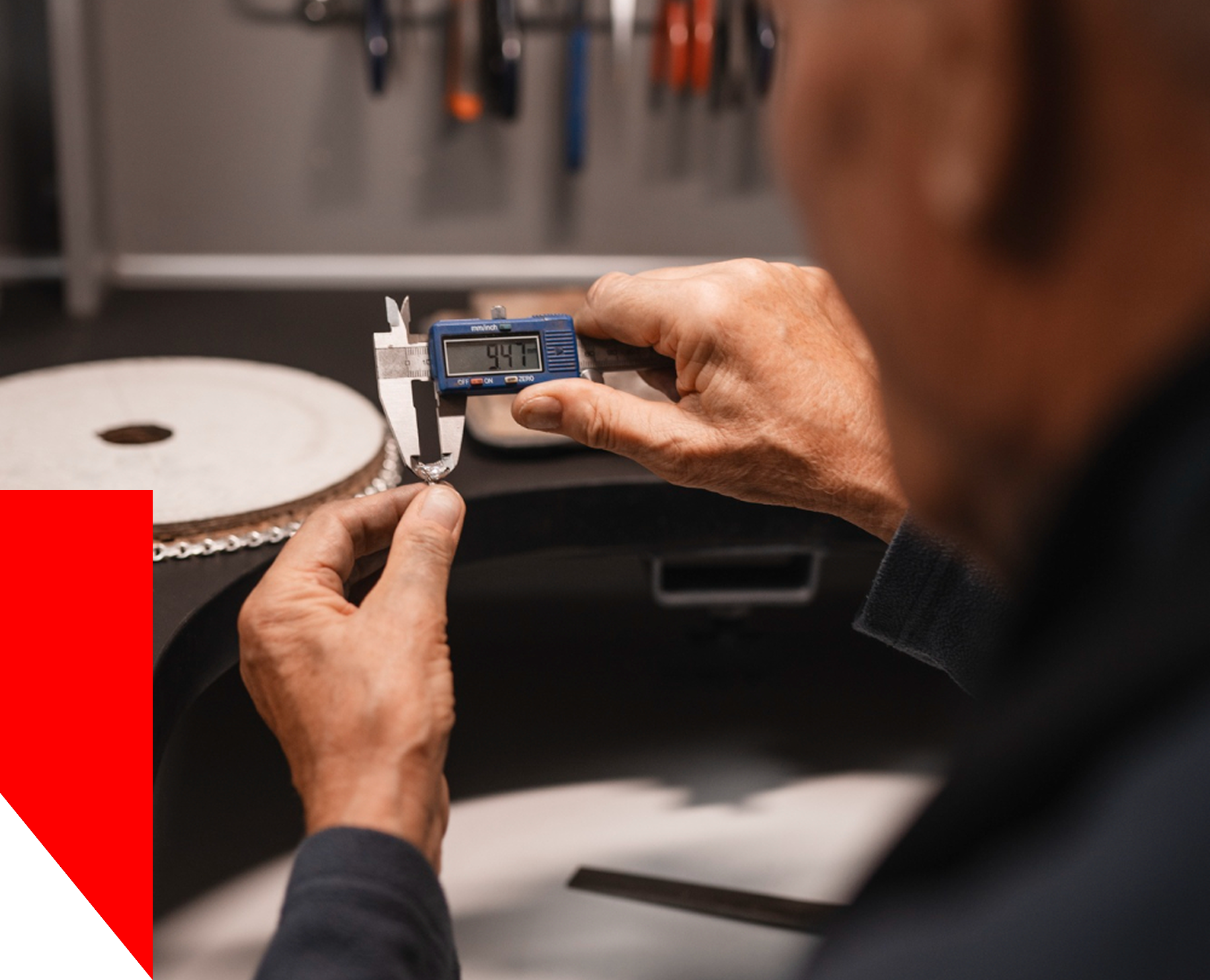
Material and dimensional measuring instruments
Directive 2014/32/EU establishes the regulatory framework for measuring instruments placed on the European market.
The Directive defines essential requirements related to:
- Metrological performance and accuracy
- Durability and reliability of measurement
- Influence of environmental conditions
- Suitability for intended use
- Protection against fraud and misuse
- Technical documentation and conformity assessment
Assessment is typically performed against applicable harmonized standards and includes evaluation of design, metrological characteristics, software functionality (where applicable), and performance evidence.
Typical applicable business categories include medical device manufacturers, IVD manufacturers, contract manufacturers, sterilization providers, packaging providers, critical component suppliers, laboratories, calibration providers, logistics operators, and technical service organizations supporting medical device products and operations.
MID CERTIFICATION PROCESS
Scope definition & Readiness Review
Confirmation whether the product falls under Directive 2014/32/EU, including identification of instrument category and applicable conformity assessment route.
Documentation and Technical Review
Evaluation of technical documentation, metrological requirements, software elements (if applicable), and user information to identify gaps.
Testing Coordination
Coordination of required testing and support during conformity assessment activities, including Notified Body involvement where applicable.
Assessment of manufacturing processes and quality system
Evaluation of production processes and quality management system to ensure ongoing conformity of manufactured products with the approved type and applicable requirements.
Documentation and Market Readiness
Preparation of documentation suitable for conformity assessment and placement of the measuring instrument on the EU market.
WHY DANEM TEST & CERTIFICATE
- Global Expertise
International team supporting certification and compliance projects worldwide - Independent Assessment
Transparent and impartial certification, testing, and audit processes - Prompt communication and fast response times. Faster certification and testing processes through responsive communication, streamlined workflows, and continuous project oversight
- Structured Certification Pathways
Clear project planning from assessment through approval - Technical & Regulatory Knowledge
Support across certification, testing, regulatory requirements, and market access.
FAQ
ask us
anything
Does the Measuring Instruments Directive (MID) apply to my measuring instrument?
The applicability of the Measuring Instruments Directive (2014/32/EU) depends on the type of measuring instrument and its intended use.
MID applies to specific categories of measuring instruments used for legal metrology purposes, including water meters, gas meters, electricity meters, heat meters, measuring systems for liquids other than water, automatic weighing instruments, taximeters, material measures, dimensional measuring instruments, and exhaust gas analyzers.
If a measuring instrument falls within one of the categories covered by MID and is intended for use in regulated transactions, public interest applications, or other legally controlled measurements, compliance with the Directive may be required before it can be placed on the EU market.
A product-specific assessment is recommended to determine whether MID applies and to identify the applicable conformity assessment requirements.
What documentation is typically required for MID conformity assessment projects?
MID conformity assessment projects typically require technical documentation that demonstrates the design, performance, and metrological characteristics of the measuring instrument.
Depending on the instrument type and conformity assessment module, documentation may include product specifications, design drawings, operating principles, software documentation, risk assessments, metrological performance data, calibration information, test reports, quality management documentation, and user instructions.
The technical documentation should provide sufficient information to assess compliance with the essential requirements of the Measuring Instruments Directive (2014/32/EU) and any applicable harmonised standards or normative documents.
The exact documentation requirements may vary depending on the measuring instrument category and the conformity assessment route selected.
Is a Notified Body required under the Measuring Instruments Directive (MID)?
Yes. Unlike some other EU directives, the Measuring Instruments Directive (2014/32/EU) generally requires the involvement of a Notified Body for conformity assessment activities.
The specific role of the Notified Body depends on the conformity assessment module selected and the type of measuring instrument. Activities may include type examination, design review, product verification, quality system assessment, or production surveillance.
Manufacturers remain responsible for ensuring compliance with the applicable requirements; however, MID conformity assessment cannot typically be completed without the participation of a Notified Body.
Can a single MID approval cover multiple product variants?
In many cases, yes. A single MID conformity assessment may cover multiple product variants, provided that the variants fall within the scope of the approved design and do not affect compliance with the applicable metrological and technical requirements.
The extent to which variants can be included depends on factors such as design differences, measurement principles, software functionality, performance characteristics, and the conformity assessment module applied. Significant modifications may require additional evaluation, testing, or an update to the approval documentation.
A technical review is typically required to determine whether specific product variants can be included within the same MID approval or whether separate assessment activities are necessary.
What causes delays in MID certification most often?
Delays in MID certification are most commonly caused by incomplete or insufficient technical documentation, unclear definition of product variants, and missing or inconsistent metrological performance data.
Additional factors include design changes during the assessment process, non-conformities identified during type testing, and incomplete implementation of applicable harmonised standards or normative documents. Delays may also occur when software-related functions affecting measurement accuracy are not fully documented or validated.
Early alignment of technical design, documentation, and applicable MID requirements helps reduce the risk of delays during conformity assessment.